NLC urges coordinated reintegration for returning migrants
The Nigeria Labour Congress has urged a coordinated reintegration programme for Nigerians returning from abroad, especially those coming back from South Africa.

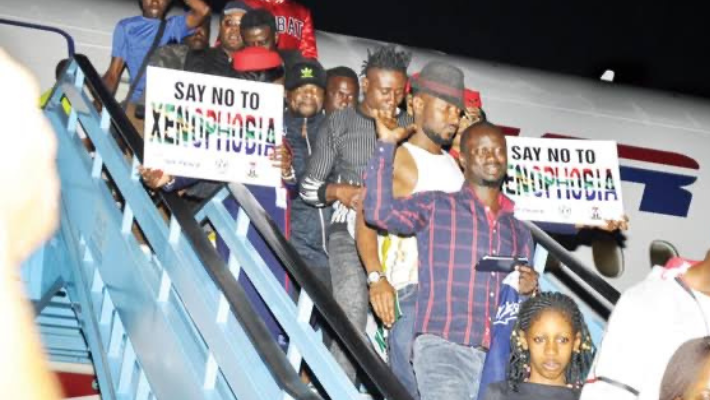
The Nigeria Labour Congress has urged a coordinated reintegration programme for Nigerians returning from abroad, especially those coming back from South Africa. NLC’s chair in Lagos, Funmi Sesi, made the call on Monday in Lagos.
Ms Sesi said many returnees possessed valuable skills that could contribute to national development if properly supported.
Responding to a question on recurring xenophobic attacks against Nigerians and other African migrants in South Africa, Ms Sesi described the situation as “unfortunate”, recalling Nigeria’s historic support for South Africa during the anti-apartheid struggle.
The NLC chieftain said Nigeria committed enormous national resources to the liberation of South Africa. She expressed disappointment that many Nigerians and other African nationals now faced discrimination and xenophobic violence in South Africa.
As a way forward, Ms Sesi proposed a tripartite collaboration involving the federal government, the Nigeria Employers’ Consultative Association, employers, and the NLC to support the reintegration of returning migrant workers.
According to her, such collaboration should focus on developing structured reintegration programmes that enable returning migrants to secure gainful employment and rebuild their lives.
She said many returnees had acquired vocational and professional skills while working abroad and should be supported to deploy those skills productively in Nigeria.
Ms Sesi said coordinated efforts by government, employers’ organisations and trade unions would ease reintegration, improve livelihoods and help returning migrants provide for themselves and their families while contributing to national economic development.
NLC’s focal person on migration, Eustace James, described the xenophobic attacks against Africans in South Africa as “unfortunate and inconsistent with the vision of African unity and improved labour migration governance”.
Mr James disclosed that trade unions were engaging their counterparts in South Africa to develop strategies to address the problem, noting that South African trade unions had already condemned the attacks.
He, however, stressed that condemnation alone was insufficient and hence called for sustained public orientation and efforts to change negative attitudes towards migrants.
According to him, migration has become a key driver of development, benefiting countries of origin, transit and destination through workers’ contributions to economic growth.
He warned that driving migrant workers away would ultimately harm host economies, which also benefited from migrants’ skills and labour.
Mr James urged African trade unions and other stakeholders to intensify efforts to protect the rights of migrant workers, promote peaceful coexistence and strengthen labour migration governance across the continent.