IYC Election Thrown Into Crisis as Electoral Committee Member Alleges Delegate List Manipulation

The forthcoming election to produce the 10th National Executive Council of the Ijaw Youth Council (IYC) Worldwide has been plunged into uncertainty after a member of the electoral committee alleged that the process had been compromised through the manipulation of delegate lists.
The election is scheduled for Saturday, 11 July 2026, at the Izonwari Building Complex in Yenagoa, Bayelsa State, with delegates expected from Ijaw communities across Rivers, Delta, Akwa Ibom, Abia, Edo, Ondo and Bayelsa states.
However, days before the poll, a member of the 9th Electoral Committee (ELECO), Emmanuel Bristol Alagbariya, accused the outgoing IYC President, Jonathan Lokpobiri, of interfering in the electoral process and undermining the independence of the committee.
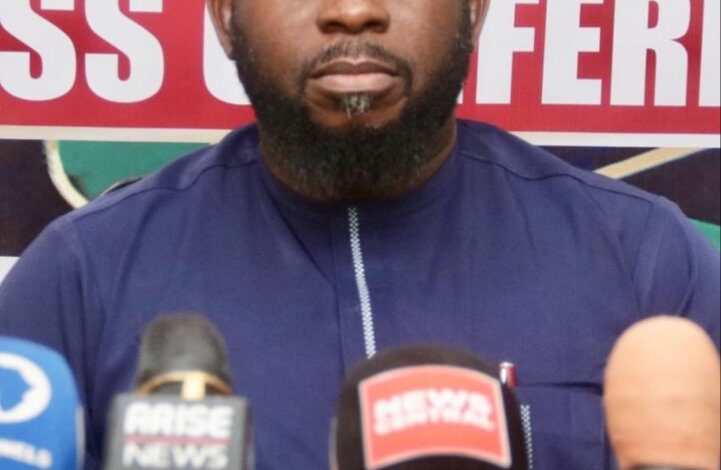
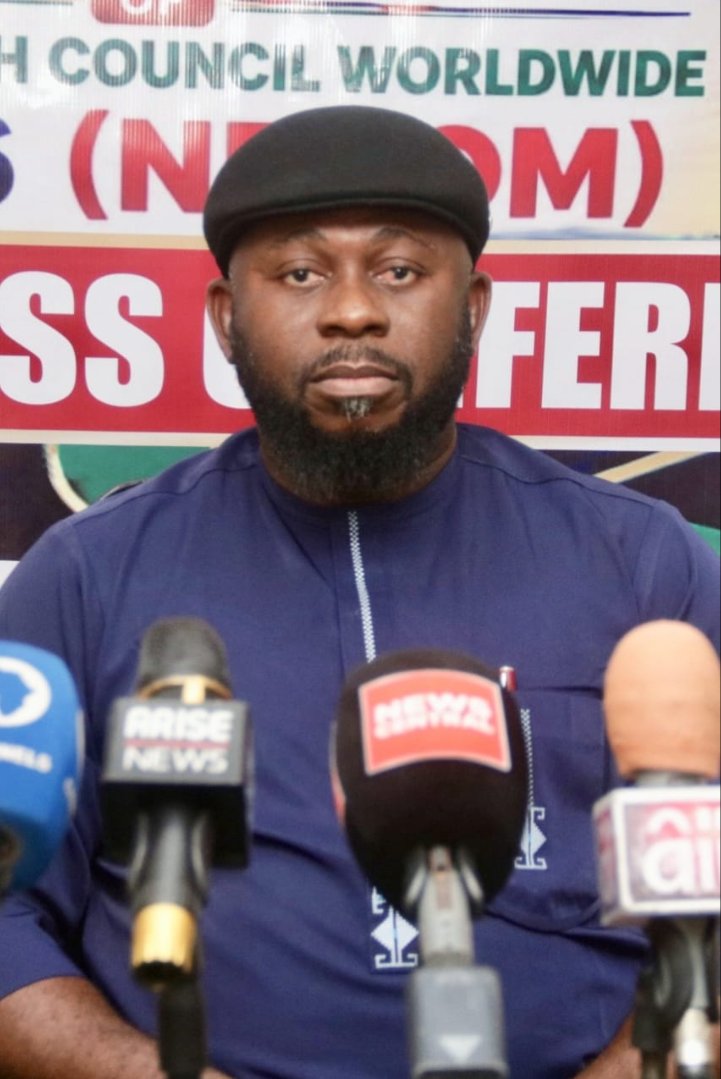
Speaking at a news conference in Port Harcourt on Tuesday, Alagbariya claimed the election process had progressed smoothly until what he described as recent interference by the outgoing leadership.
He alleged that manipulation, intimidation and financial inducement had compromised some members of the electoral committee, weakening its ability to conduct a free and credible election.
According to Alagbariya, the most significant development was a meeting allegedly convened by the outgoing president on Monday, 6 July, with selected members of the electoral committee, during which delegate lists submitted by various zones and chapters were altered.
He said the original lists had emerged from congresses and consultations involving stakeholders in the Eastern, Western and Central zones, as well as the Lagos and Abuja chapters.
Alagbariya alleged that several of those lists were subsequently changed without justification.
“These lists were generated through congresses and stakeholder engagements across the respective zones and chapters,” he said.
He claimed that in the Eastern Zone, delegates nominated by the Bonny chapter were removed and replaced despite there being no dispute over the congress that produced them.
Alagbariya also questioned the handling of the Western Zone delegates’ list.
According to him, the electoral committee had earlier rejected a list submitted by the zonal chairman because it lacked the secretary’s signature, as required by the IYC constitution.
He alleged that another list, signed only by the zonal secretary, was later accepted.
“To my greatest surprise, the Western zonal secretary later generated and submitted a list bearing only his signature and it was accepted,” he said.
He described the decision as a violation of the IYC constitution and warned it could expose the election to legal challenges.
The committee member further alleged that delegate names in the Central Zone were also altered, particularly from Kolokuma-Opokuma and the Abua, Odual, Ahoada and Engenni axis.
He claimed some areas that ordinarily receive six delegate slots were allocated only two.
Alagbariya said he was excluded from the alleged meeting because of his opposition to any attempt to manipulate the process.
“These actions are wrong and I completely dissociate myself from them,” he said. “I strongly condemn this manipulation.”
He urged aspirants to reconsider participating in what he described as a compromised election, alleging that the delegate lists had been tailored to favour a particular group of candidates.
The electoral committee member also called on Bayelsa State Governor Douye Diri, Ijaw traditional rulers and other stakeholders to intervene before the situation further divides the organisation.
“We are already dealing with the issue of factionalisation within our IYC. The irregularities surrounding the delegate lists should be addressed immediately,” he said.
The allegations have intensified concerns over the credibility of the election, which will determine the next leadership of the IYC, one of the Niger Delta’s most influential youth organisations.
The council has historically played a prominent role in advocating for resource control, environmental justice, political representation, oil industry accountability and the rights of riverine communities across the region.
Any dispute over its leadership election is therefore likely to have implications beyond the organisation itself.
As of the time of reporting, neither the outgoing IYC President Jonathan Lokpobiri nor the leadership of the electoral committee had publicly responded to the allegations.
With only days remaining before the scheduled vote, it remains uncertain whether the election will proceed as planned or whether stakeholders will intervene to review the disputed delegate lists.
If left unresolved, the controversy could result in a disputed outcome, legal action and further deepen divisions within the umbrella body representing Ijaw youths.