

Nigeria Moves to Reclaim Jabi Lake as Water Hyacinth Threatens Navigation and Tourism

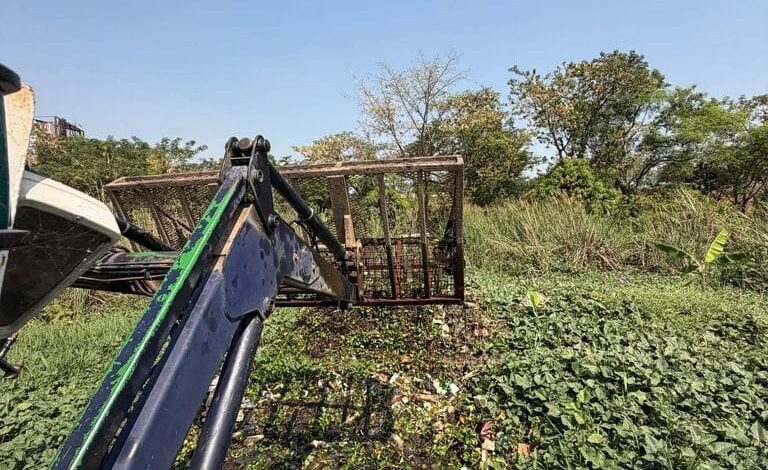
ABUJA, Nigeria – Nigeria’s National Inland Waterways Authority (NIWA) has launched a major water hyacinth clearance operation on Jabi Lake in Abuja, in a renewed effort to improve waterway safety, restore the lake’s ecological condition and protect its growing tourism appeal.
The operation, which began on Monday, November 17, 2026, targets the spread of water hyacinth, an invasive aquatic plant that can obstruct waterways, disrupt aquatic ecosystems and impede boating and other recreational activities.
Jabi Lake, one of the Federal Capital Territory’s prominent waterfront destinations, attracts visitors for leisure, boating and tourism. However, the increasing accumulation of aquatic vegetation has raised concerns about its navigability, environmental condition and long-term recreational value.
The exercise is being coordinated by NIWA’s Abuja Area Manager, Hajia Aisha Eri, who is overseeing the clearance activities.
Eri said considerable progress had been recorded in removing the invasive vegetation, adding that the operation was aimed at restoring the lake to conditions that would support safer navigation, boating and other water-based recreational activities.
The intervention has also attracted the attention of NIWA’s Acting Managing Director, Umar Yusuf Girei, whose visit to the site underscored the agency’s commitment to improving the management and sustainability of Nigeria’s inland waterways.
Girei said the operation formed part of a broader strategy to reclaim waterways, improve navigation and reduce safety risks associated with the unchecked growth of aquatic weeds.
“NIWA remains steadfast in reclaiming our waterways for safe human navigation. By clearing these invasive weeds, the Authority is opening up unobstructed channels and drastically reducing the risk of marine accidents, ensuring that commerce, transportation and tourism around hubs like Jabi Lake remain smooth, reliable and secure,” Girei said.
Beyond improving navigation, the clearance exercise is expected to enhance the lake’s environmental appearance, strengthen its appeal to visitors and support businesses and recreational activities operating around the waterfront.
Water hyacinth is a fast-growing invasive plant that can spread rapidly across freshwater bodies, forming dense vegetation mats that restrict movement on the water, interfere with fishing and boating, and affect aquatic ecosystems.
Its management remains a significant challenge for waterway authorities in several countries, particularly in regions where freshwater resources support transportation, livelihoods and tourism.
NIWA said the Jabi Lake intervention reflects its broader commitment to maintaining cleaner, safer and more accessible inland waterways in accordance with its statutory responsibilities.
The success of the operation, however, will depend not only on the immediate removal of the vegetation but also on sustained monitoring and effective management to prevent its return.
For Abuja, the initiative represents an important step towards protecting one of its recognised waterfront destinations while reinforcing the role of environmental management in promoting safer inland navigation and sustainable tourism.