
Nigerians Raise Alarm Over Renewed Xenophobic Threats in South Africa
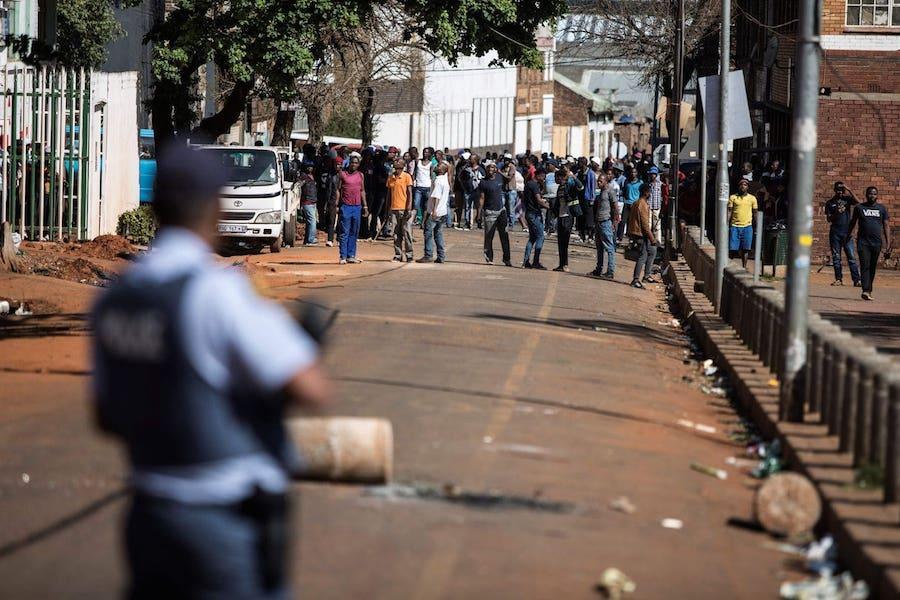
Nigerian nationals living in South Africa have expressed growing concern over fresh threats of xenophobic violence, sparking fears of another wave of attacks on foreign-owned businesses and communities.

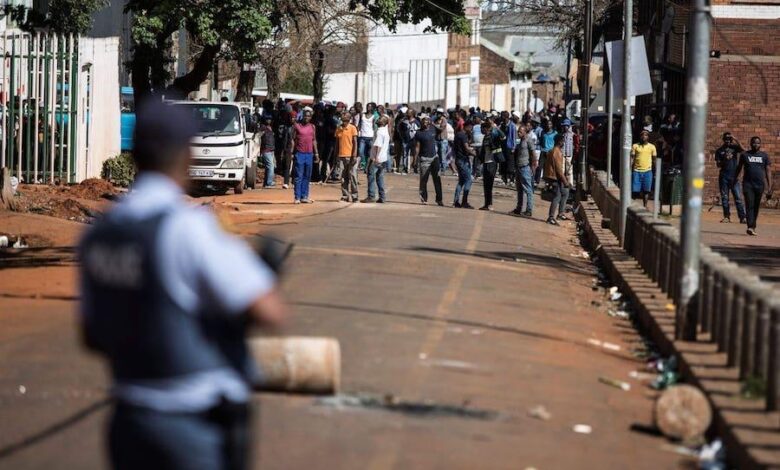
post-xenophobia attacks Nigerians living in South Africa have raised fresh concerns over xenophobic threats following renewed hostilities from Operation Dudula, an anti-migrant group accused of targeting foreigners in the country. Community leaders have called for urgent diplomatic intervention after reports emerged of attacks, harassment, and restrictions allegedly spearheaded by the group. In a widely circulated video, a leader of Operation Dudula was ordering non-South Africans to leave a public hospital. “If you know yourself that you are not a South African, please stand up. Stand up right now. Don’t try us because we are going to check everybody”, he declared. The video, which shows foreigners being marched out of the facility, has sparked outrage and heightened fears of another wave of xenophobic violence. Founded as a grassroots movement, Operation Dudula claims to be tackling illegal immigration, drug trafficking, and the perceived loss of jobs and services to undocumented migrants. However, human rights groups accuse its members of engaging in vigilantism, blocking hospitals, inspecting businesses, and harassing immigrants. Goodluck Emmanuel, an Abuja based international relations expert echoed these concerns, noting that unchecked harassment could damage ties between Africa’s two largest economies. “What we are witnessing is not just harassment of migrants, but a direct threat to bilateral ties between Nigeria and South Africa. When Nigerians are marched out of hospitals or denied access to basic services, it sends a message that South Africa is unable or unwilling to protect foreign nationals on its soil”, Emmanuel explained. He added that xenophobic flare-ups have previously provoked retaliatory actions in Nigeria, threatening trade, investment, and cultural cooperation. “Diplomacy must be proactive, not reactive and if Abuja and Pretoria fail to act swiftly, these tensions could escalate into another cycle of violence with far-reaching consequences for regional stability.” Meanwhile, Nigeria’s Ministry of Foreign Affairs, through Kimiebi Ebienfa, confirmed that African ambassadors in South Africa are already in talks with the government to address the crisis. “Group of African Ambassadors in South Africa are engaging the South African Government”, he said. Similarly, Abdur-Rahman Balogun, Director of Media, Public Relations, and Protocols at the Nigerians in Diaspora Commission (NiDCOM), described the hospital incident as isolated but confirmed that investigations are ongoing. “The ministry of foreign affairs and ambassadors in South Africa are investigating the matter,” Balogun said.