

Illegal Mining Deepens Nigeria’s Economic Losses, Fuels Insecurity

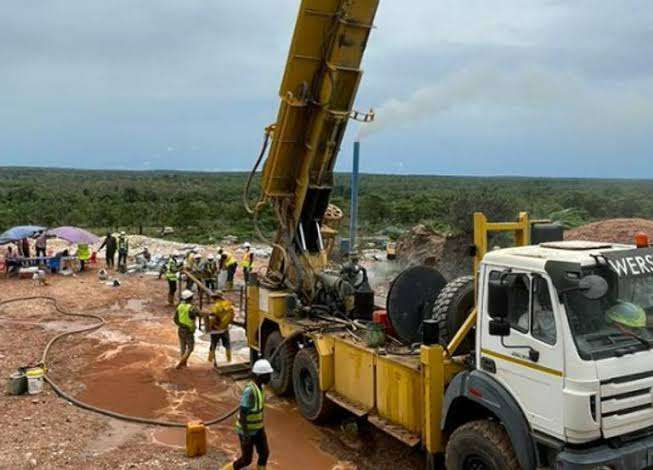
Nigeria’s vast mineral wealth is increasingly becoming a source of economic sabotage and insecurity as illegal mining operations driven by foreign syndicates, local collaborators and armed groups continue to thrive across the country.
From gold deposits in Zamfara to lithium reserves in Nasarawa and tin fields in Plateau, the country possesses enormous solid mineral resources capable of boosting industrial growth and national revenue. However, instead of strengthening the economy, illegal extraction activities have created a thriving underground economy that drains billions of dollars annually.
Industry estimates indicate that Nigeria loses about $9 billion yearly to illegal mining and mineral smuggling through unpaid royalties, tax evasion and illicit exports. Despite the country’s rich mineral deposits, the formal mining sector contributes less than one per cent to the Gross Domestic Product, highlighting the scale of losses within the industry.
At the heart of the crisis are sophisticated illegal mining networks, many of which involve foreign operators, particularly Chinese nationals, who have repeatedly been linked to unlicensed mining activities in several states. Security reports suggest that some operators allegedly gain access to mining sites by paying armed groups that control rural territories.
The development has heightened concerns among security agencies over the possible connection between illegal mining proceeds and the financing of banditry and other violent criminal activities, especially across the North-West and North-Central regions.
The Federal Government has intensified efforts to tackle the menace. Minister of Solid Minerals Development, Dele Alake, recently disclosed that more than 327 suspects, including foreign nationals, had been arrested during nationwide operations against illegal mining. Some of the cases, according to the minister, have been transferred to security agencies for further investigation into possible links with organised crime networks.
However, stakeholders insist that arrests and enforcement alone cannot address the deeper structural issues sustaining illegal mining.
Investigations reveal that local actors also play significant roles in the illicit trade. Political patrons, influential individuals and some traditional interests are alleged to provide protection and logistical support for illegal mining operations in remote communities.
Large quantities of illegally mined minerals are reportedly smuggled out of Nigeria through porous borders into neighbouring West African countries before finding their way to global trading centres, particularly Dubai. Analysts say discrepancies in export and import records indicate widespread under-reporting of Nigeria’s actual mineral exports.
Beyond gold, other critical minerals such as lithium, columbite, tantalite and tin, which are highly sought after in global electronics and battery manufacturing industries, are also being extracted and exported illegally without local processing or value addition.
States such as Zamfara, Plateau, Kaduna, Niger, Nasarawa and Kwara have emerged as major hotspots where illegal mining activities overlap with insecurity, communal clashes and environmental degradation.
For many artisanal miners working under dangerous conditions, the economic benefits remain limited, as profits are largely controlled by armed groups, middlemen and foreign interests that dominate the illegal supply chain.
In response, the Federal Government has introduced measures including mining marshals, licence audits and programmes aimed at formalising artisanal mining operations. Nevertheless, experts argue that meaningful progress will require stronger border surveillance, transparent licensing procedures and decisive action against politically connected individuals benefiting from the illicit trade.
Observers warn that unless Nigeria strengthens accountability and dismantles the criminal networks embedded within the mining sector, the country’s vast mineral resources will continue to enrich criminal syndicates and foreign interests while deepening economic losses and insecurity at home.