


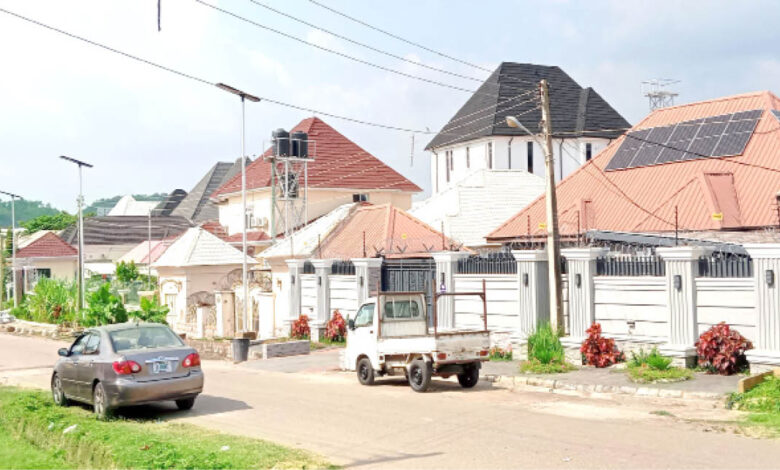
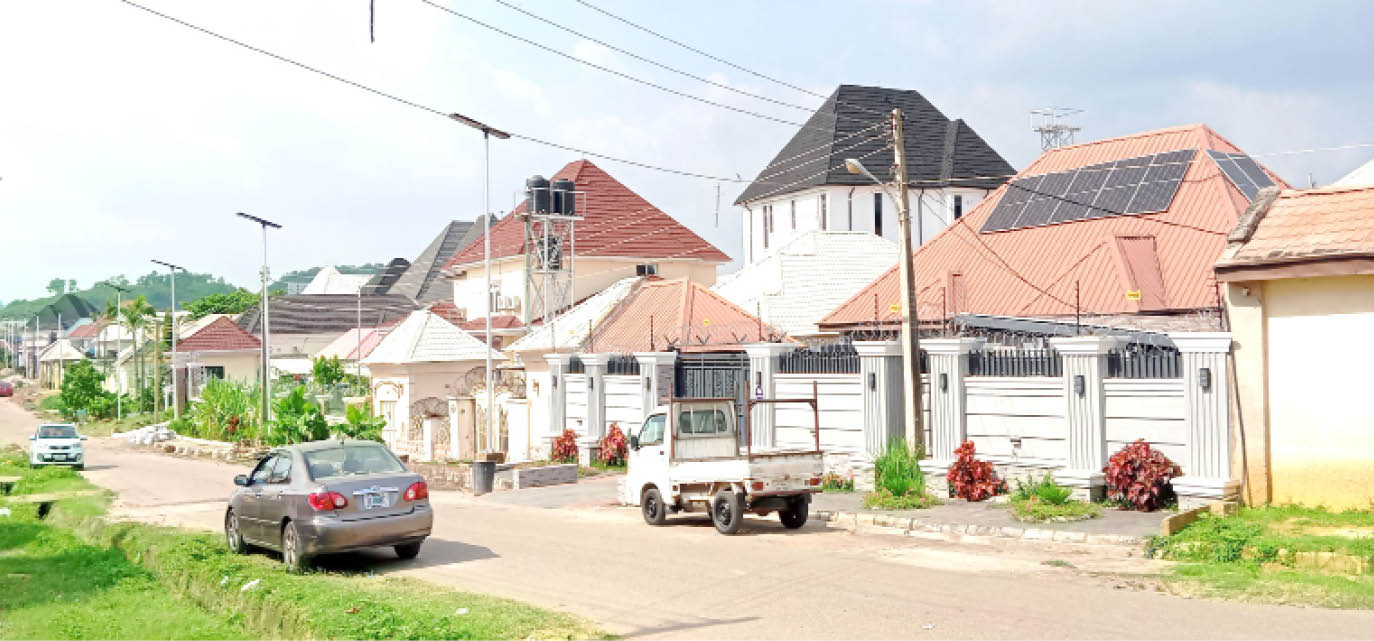
Buildings at Zone C, Apo resettlement in the Federal Capital Territory, Abuja Photo: Onyekachukwu Obi
A shortage of affordable housing has driven up demand, leaving prospective tenants at the mercy of landlords who charge exorbitant rents. This situation is further compounded by the high cost of living and rising household expenses across the country.
Under Nigeria’s existing tenancy laws, landlords are permitted to collect rent up to 12 months in advance. However, investigations show that many Abuja landlords now demand payments of up to two years upfront — a practice that has made it even harder for prospective tenants to secure accommodation.
Experts note that rent control has been largely ineffective in Nigeria, as the real estate market is driven by private developers and shaped by market forces of demand and supply.
In Abuja, districts such as Guzape, Maitama, Asokoro, Wuse, Jabi, Wuye, and Gwarimpa are among the most expensive residential areas, with rents for a one-bedroom apartment reaching as high as N3 million — excluding additional costs such as legal, agency, and caution fees.
As a result, many Nigerians, including civil servants and low-income earners, have been compelled to relocate to neighbouring states in search of cheaper accommodation.
Popular relocation destinations include Suleja and Madalla in Niger State, as well as Mararaba, New Nyanya, Masaka, and Ado in Nasarawa State, where rents are significantly lower.
Residents said the daily commute to Abuja from these satellite towns is a small price to pay compared to the burden of rent in the capital city.